We use cookies to help provide you with the best possible online experience.
By using this site, you agree that we may store and access cookies on your device. Cookie policy.
Cookie settings.
Functional Cookies
Functional Cookies are enabled by default at all times so that we can save your preferences for cookie settings and ensure site works and delivers best experience.
3rd Party Cookies
This website uses Google Analytics to collect anonymous information such as the number of visitors to the site, and the most popular pages.
Keeping this cookie enabled helps us to improve our website.

Latest News
All the latest news and information from the practice and our patient community.
 New GP with interest in minor surgery joins the team
Welcome to Dr Ian Welch
17/04/2026
New GP with interest in minor surgery joins the team
Welcome to Dr Ian Welch
17/04/2026
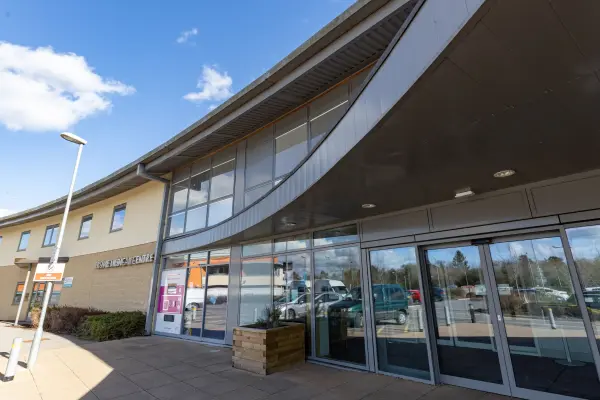 Free digital confidence sessions launched
Join us for the first session on staying safe online
10/03/2026
Free digital confidence sessions launched
Join us for the first session on staying safe online
10/03/2026
 Success from 'Only order what you need' campaign
Read more about the how small changes have made a big difference
06/03/2026
Success from 'Only order what you need' campaign
Read more about the how small changes have made a big difference
06/03/2026
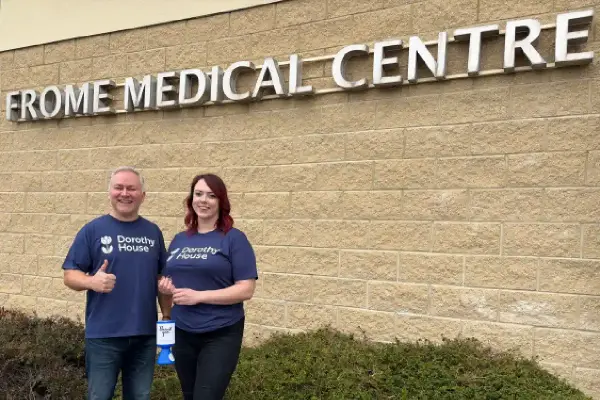 We've chosen a new charity to support
Looking forward to working alongside Dorothy House for next 2 years. Read more here
19/02/2026
We've chosen a new charity to support
Looking forward to working alongside Dorothy House for next 2 years. Read more here
19/02/2026
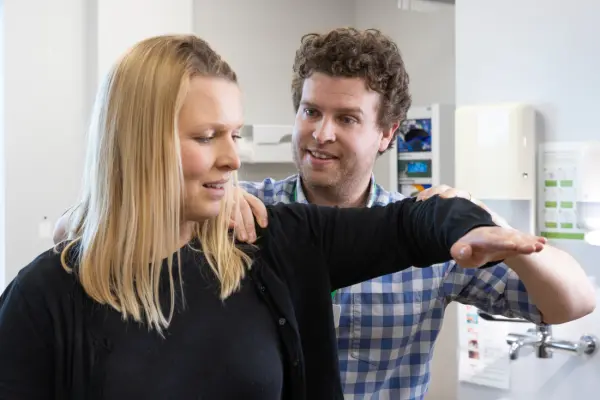 Ambient Voice Technology
Use of Ambient Voice Technology at Frome Medical Practice. Read more...
05/08/2025
Ambient Voice Technology
Use of Ambient Voice Technology at Frome Medical Practice. Read more...
05/08/2025